XVIIth Congress of the International Society of Bone Morphometry (ISBM 2026)
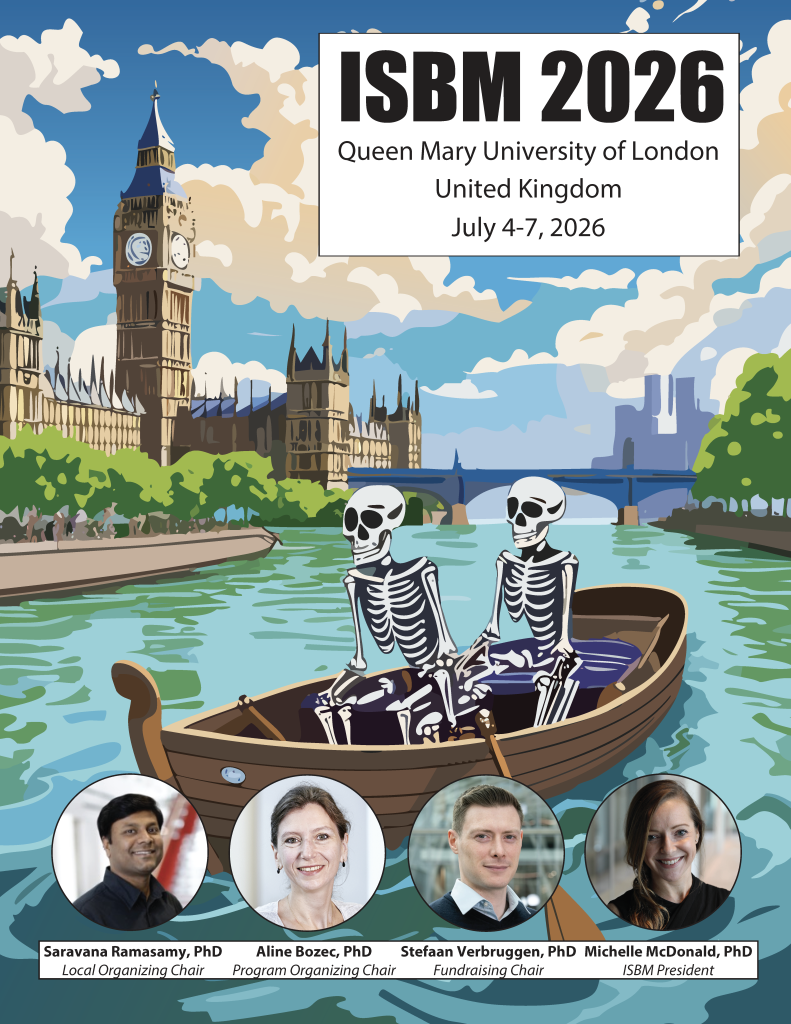
On behalf of the International Society of Bone Morphometry, it is my great pleasure to warmly invite you to join us for the XVIIth Congress of the ISBM, to be held 4–7 July 2026 at Queen Mary University of London.
We are delighted to welcome the ISBM community to London for the 2026 congress. Together with the local organizing team of Stefaan Verbruggen and Saravana Ramasamy, and Scientific Program Committee led by Aline Bozec, we are shaping an exciting and comprehensive scientific program that spans the full breadth of bone morphometry and skeletal imaging. The meeting will encompass established and emerging approaches from histomorphometry and micro‑CT to spatial omics, advanced microscopy, and computational methods with sessions designed to inspire learning, stimulate discussion, and showcase excellence across our field.
A defining feature of ISBM meetings is their collegial and interactive environment, and the 2026 congress will be no exception. In addition to plenary, keynote, and platform presentations, the program includes poster sessions and dedicated training workshops led by academic and industry experts, providing valuable opportunities for skill development and scientific exchange. Supporting early‑career investigators and fostering inclusive participation across career stages remain central priorities of the Society.
Whether you are an early‑ or mid‑career investigator, clinician, basic scientist, or imaging specialist, I warmly encourage you to join us for a meeting that brings our community together, strengthens collaborations, and highlights the latest advances in bone morphometry and skeletal research from across the globe. We also offer a number of travel award opportunities to support EMCR members.
Registration is now open. The abstract submission window is also open and will close March 1st. I very much look forward to welcoming you to London in July 2026.
With best wishes,
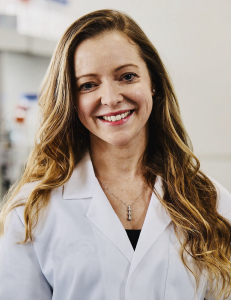
Associate Professor Michelle McDonald
President, ISBM 2026
International Society of Bone Morphometry
Who should attend?
Students, postdoctoral fellows, staff, faculty, and industry professionals that are interested in all aspects of the quantitative imaging and analysis of bone and bone-associated tissues.
- Do you use image-based technologies and techniques to advance your research (histology, CT, MRI, spatial omics, live microscopy, EM, etc, etc)?
- Do you want to enjoy the science while learning new protocols and techniques from leading experts in a fun and informal setting?
- Do you want to share your work and contribute to the advancement of the field?
If you answered yes, you sound like a great fit for ISBM. ISBM meetings provide a close-knit setting for bone heads and imaging enthusiasts alike, and are a great place to meet new people and form new collaborations. We welcome those of all abilities and at all stages of their careers. Hope to see you there!
Goals of the ISBM 2026 Meeting
- Provide a forum to discuss both conventional and novel morphometry-based approaches
- Implement training workshops lead by academic and industry experts
- Support career development of junior investigators and promote scientists from underrepresented groups
- Discuss standards for open data sharing of established and emerging morphometric techniques
History of the society
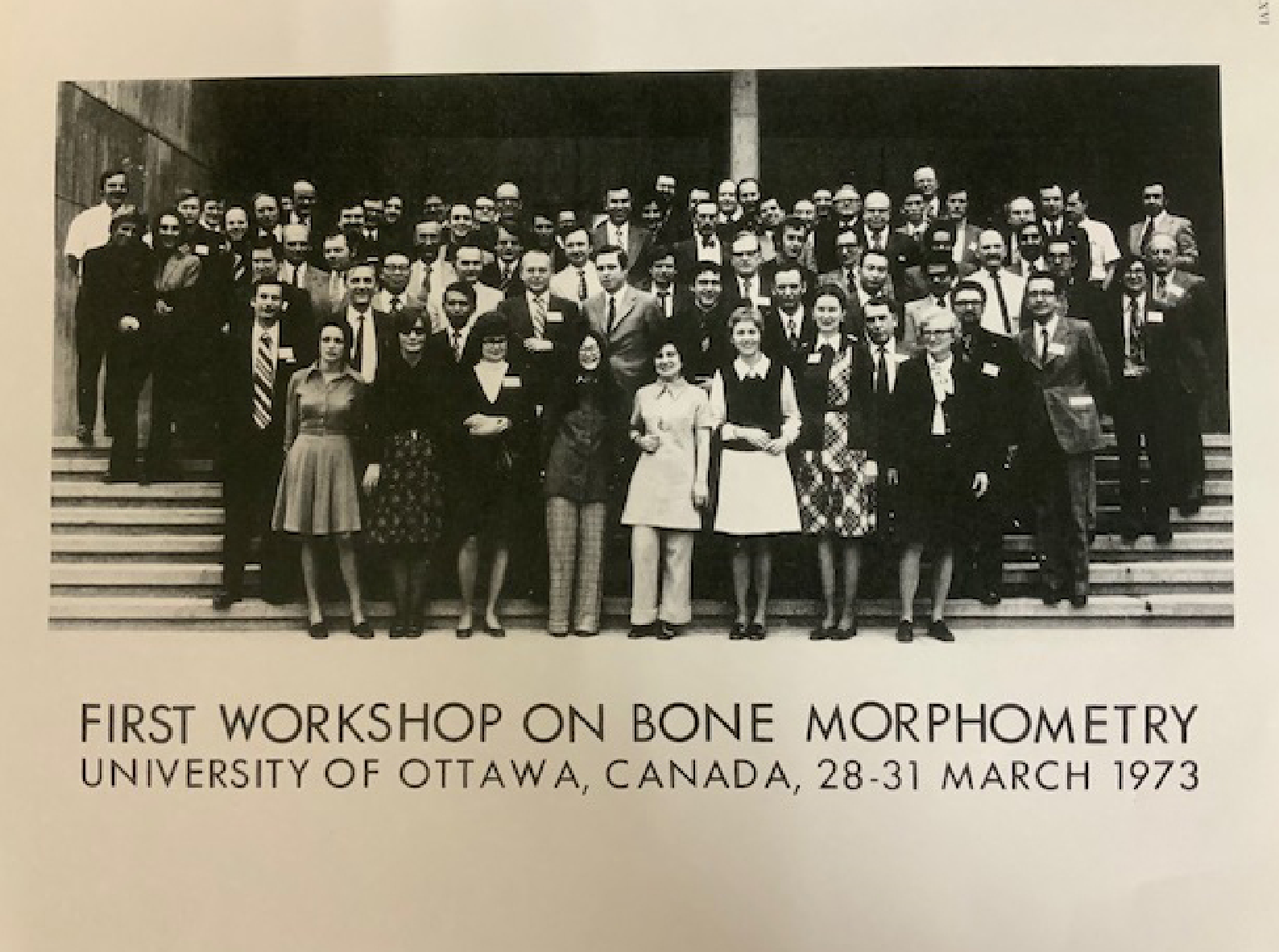
ISBM is a non-profit research 501(c)3 organization with origins in a series of Workshops on Bone Morphometry, the first of which was held in Ottawa in 1973. Our core mission is to educate and train clinicians and scientists in all aspects of bone morphometry, to provide a forum for experts to share and develop their research, to set standards within the field for skeletal imaging and morphometry, and to advance novel therapies to support lifelong skeletal health.
ISBM - a forum for advances in bone morphometry
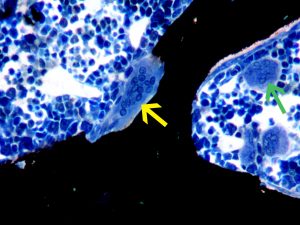
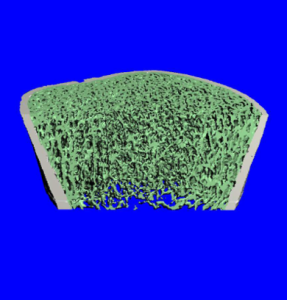
Bone morphometry is the quantitative imaging of skeletal tissues. This encompasses dynamic histomorphometry to spatial transcriptomics, representing an essential suite of experimental approaches that enable rigorous examination of skeletal structure and biology. Recent advances provide exciting opportunities for bone researchers to examine cells and tissues at a level not previously possible. In addition, conventional approaches such as microcomputed tomography and histology continue to require detailed expertise, raising the need to provide a forum where discussion and training can take place.
